
Beyond Tariffs: Why Livestreaming Critical Conversations Matters
In an era defined by shifting alliances and rapid changes in global politics, conversations about the future of international partnerships carry immense weight. The relationship between the United States and India has long been described as one of the most consequential of the twenty first century. Trade disputes, immigration policy, defense cooperation, and shared democratic values are not abstract ideas reserved for policymakers in Washington or New Delhi. They directly shape the lives of millions of people, from students seeking opportunities abroad to businesses navigating complex global markets.
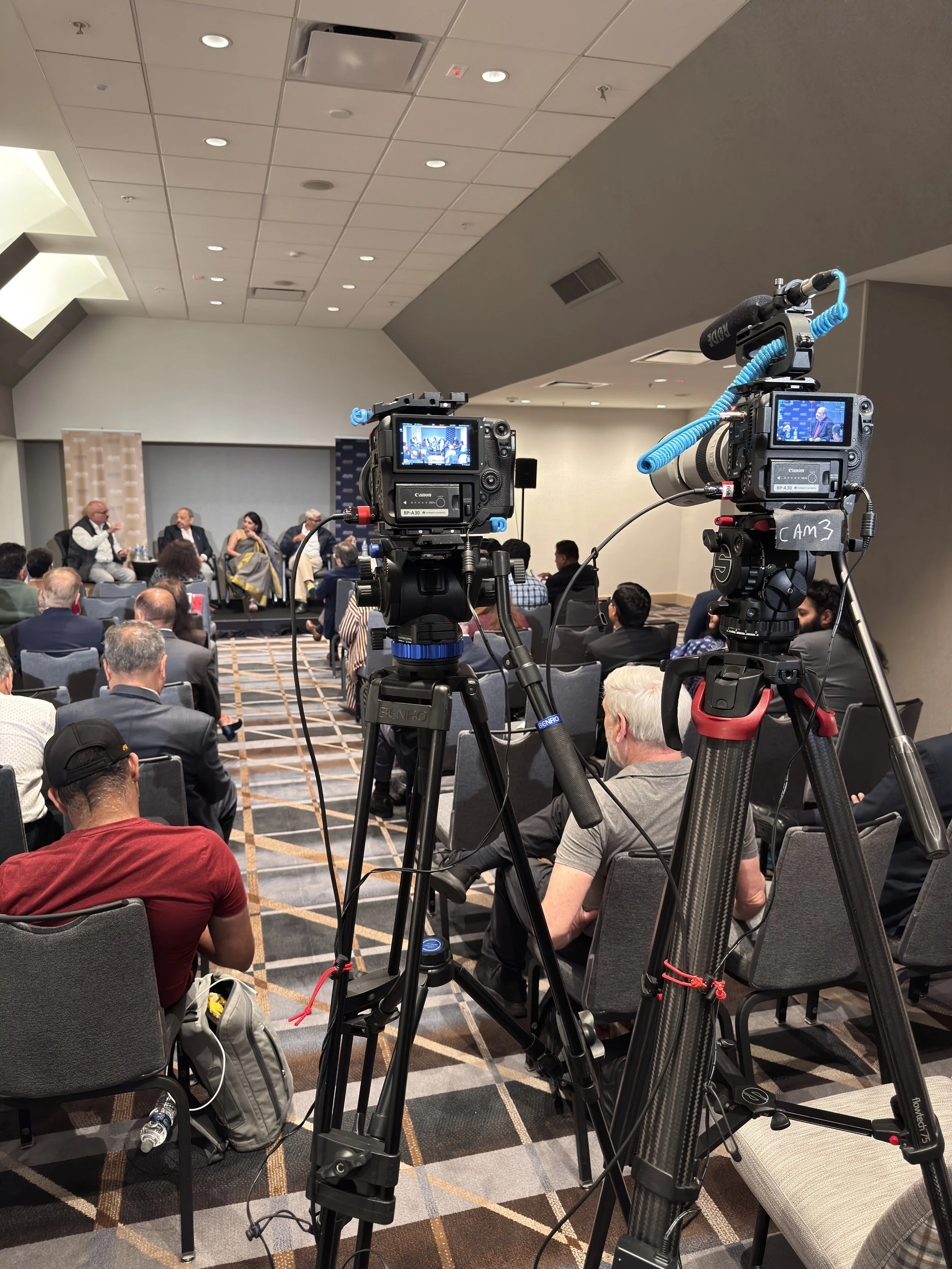
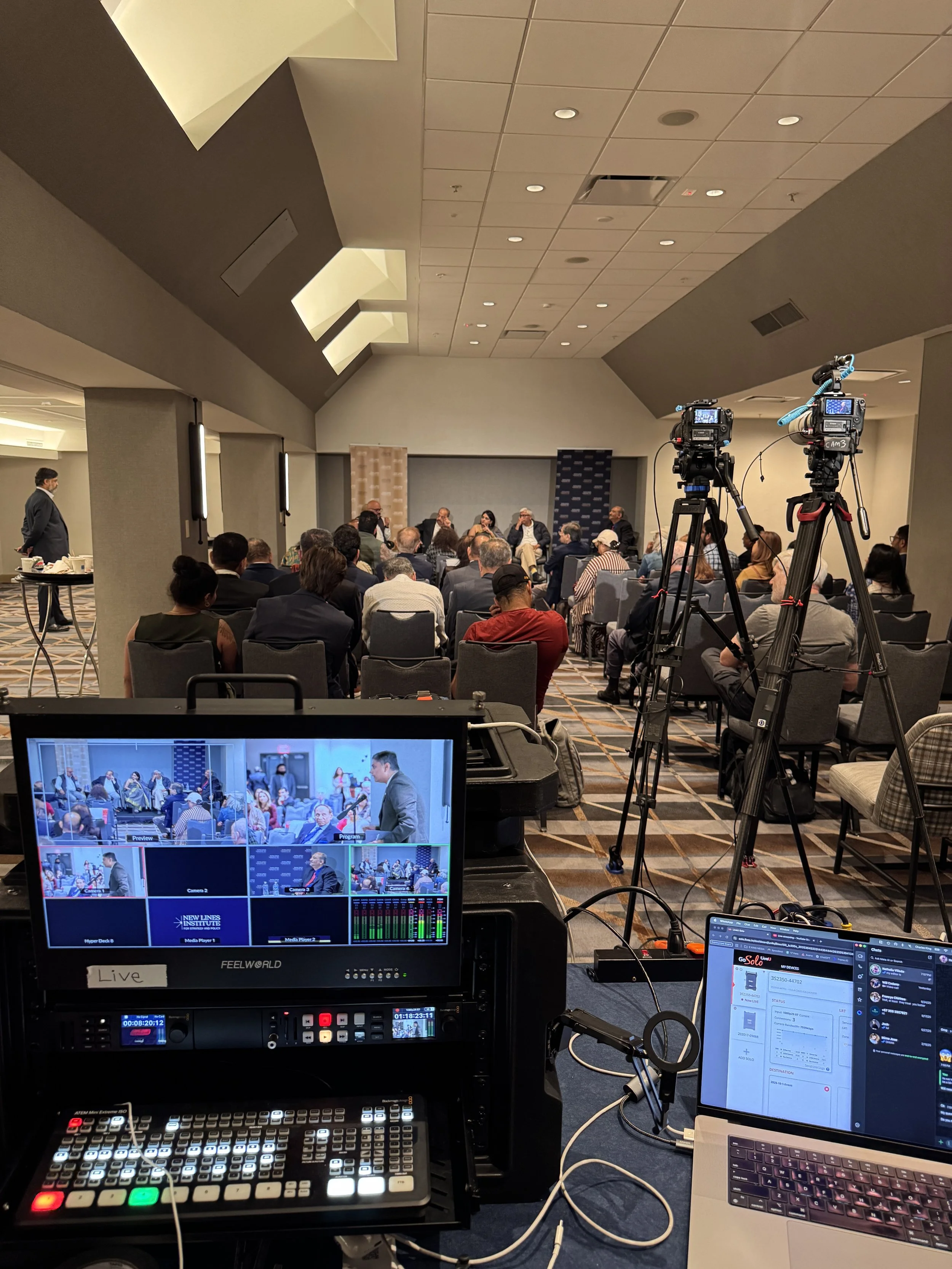
Events that address these issues have traditionally been limited to conference rooms, closed door meetings, or selective reporting in the news. Today, livestreaming has transformed that reality. By broadcasting discussions like “Beyond Tariffs: Resilience of a U.S.–India Partnership,” organizations are not simply hosting panels. They are opening doors for people across the world to witness high level debates and engage with the very ideas that will influence their futures.
The importance of this shift cannot be overstated. Livestreaming moves conversations about policy, trade, and democracy from the exclusive realm of experts into the shared space of public dialogue. It allows the global community to access the same insights, weigh the same arguments, and reflect on the same challenges in real time.
Why Livestreaming Matters
1. Access to Global Dialogue in Real Time
Livestreaming ensures that vital conversations are not restricted to those who can be physically present. A panel in Washington, D.C. can be joined instantly by students in India, researchers in Europe, or entrepreneurs in Africa. This accessibility creates an inclusive exchange of ideas that enriches the global conversation.
2. Transparency and Trust
Unlike edited reports or secondhand commentary, livestreaming captures discussions as they unfold. Audiences hear unfiltered perspectives, disagreements, and analyses directly from the participants. This transparency builds trust in the conversation and empowers individuals to form their own informed opinions.
3. A Global Community of Engagement
When events are livestreamed, they are no longer confined to the walls of a single venue. They become shared experiences that spark dialogue across borders. Social media commentary, replayed clips, and classroom discussions extend the reach of these events far beyond their original audience.
Valuable Takeaways from the Livestream
The “Beyond Tariffs” panel provided several insights that highlight the value of broadcasting such conversations:
The evolving U.S.–India relationship demonstrates how quickly optimism can turn to uncertainty, reminding us that diplomacy is fragile and complex.
Economic policies such as tariffs and visa restrictions are not abstract numbers on paper. They shape the lives of students, workers, and families, adding urgency to public awareness.
The debate revealed the tension between governing by ideology and governing by national interest. This theme resonates across democracies worldwide and is especially relevant in times of political polarization.
Above all, the conversation emphasized the resilience needed to sustain long term partnerships even when disagreements arise.
These themes become more powerful when experienced live. Seeing experts present their arguments, challenge one another, and respond to questions brings immediacy and authenticity that cannot be replicated in a summary alone.
Why Organizations Should Embrace Livestreaming
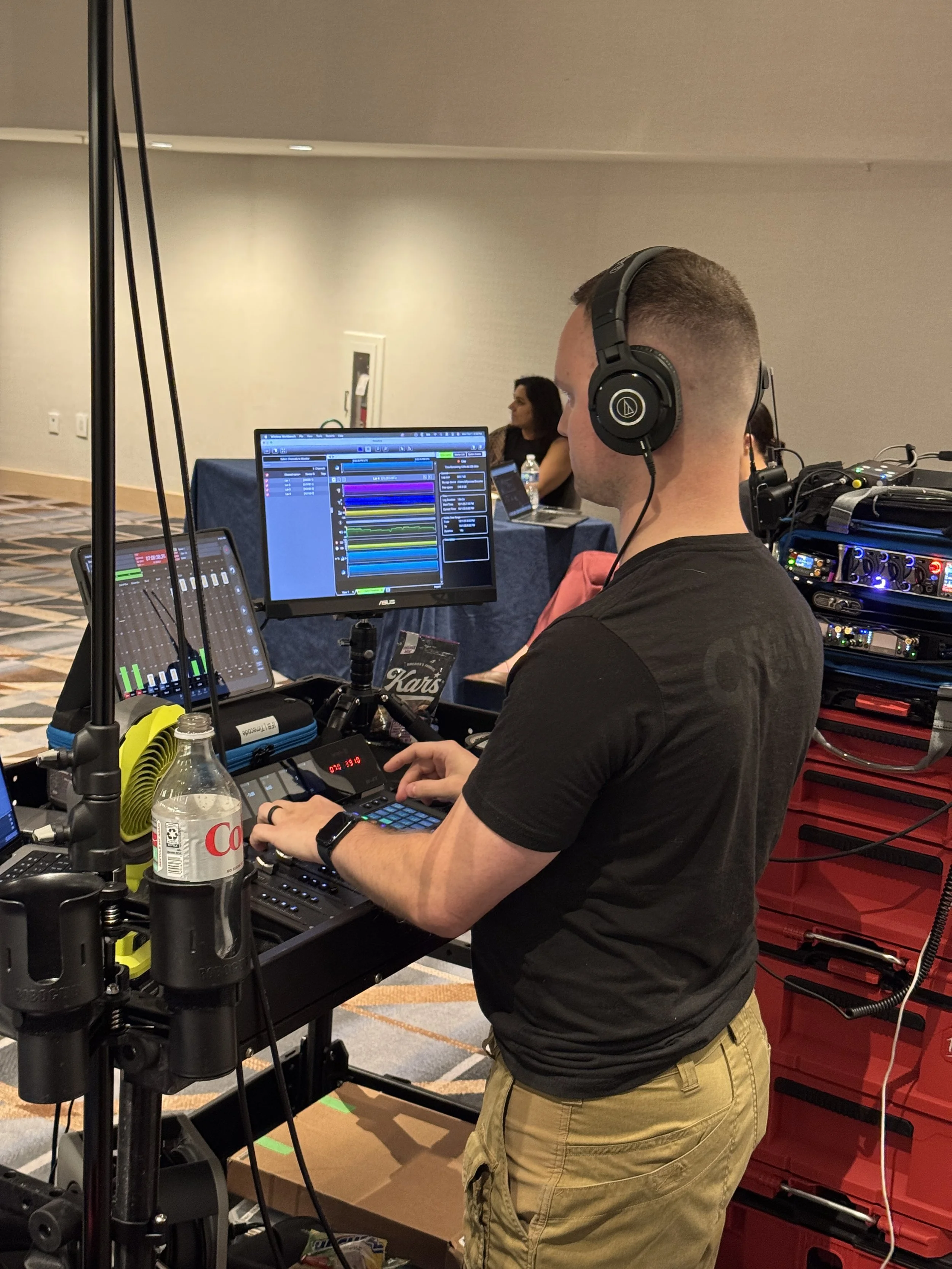
For institutions, think tanks, and organizations, livestreaming is more than a technical add on. It is a strategic necessity.
It expands the reach of an event from a few hundred attendees to potentially tens of thousands of viewers.
It creates an enduring archive that students, journalists, and researchers can return to long after the event has ended.
It appeals to younger audiences who prefer to consume content digitally, ensuring engagement across generations.
It strengthens credibility by demonstrating openness and a commitment to accessible knowledge.
Conclusion
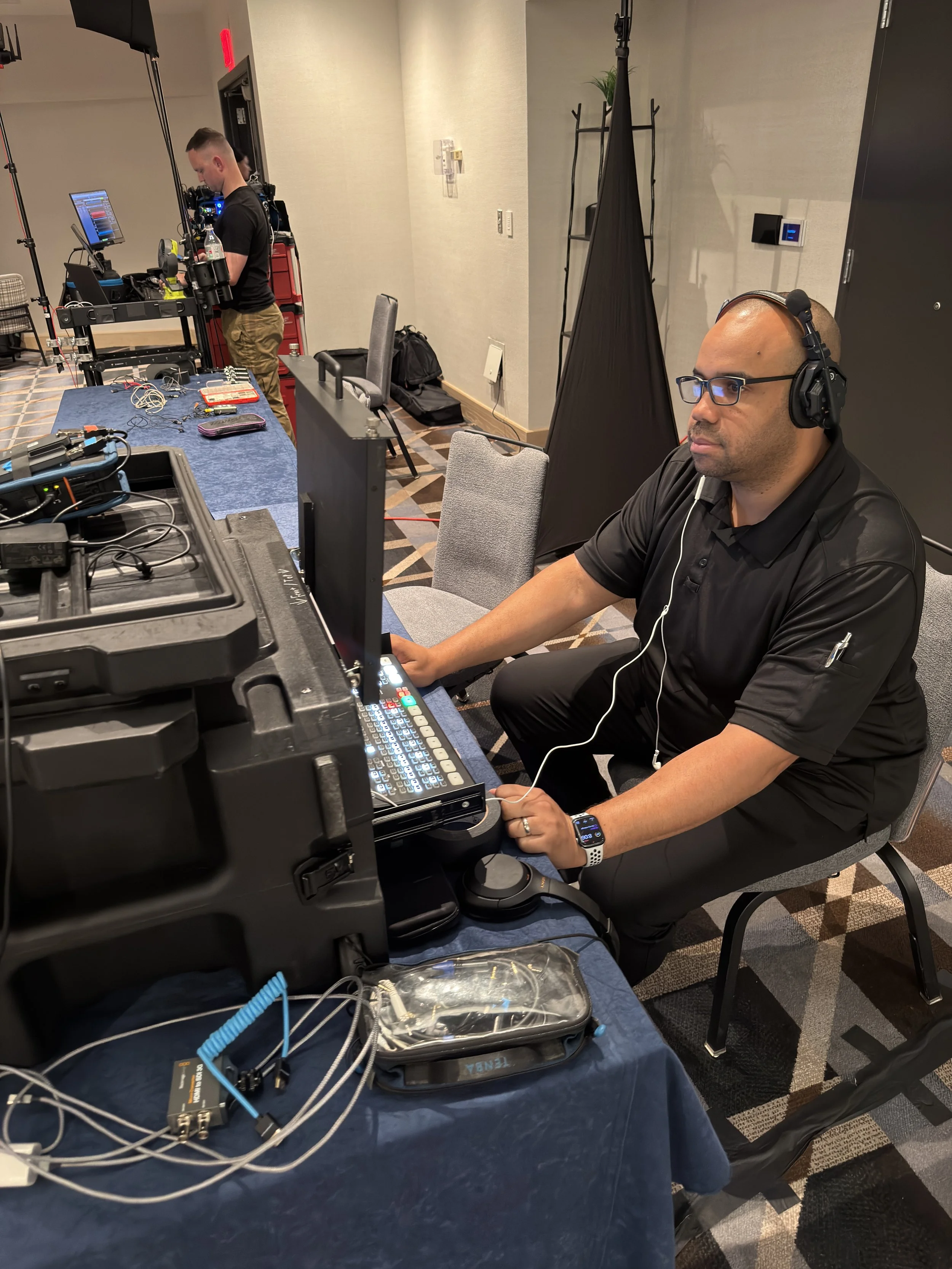
The panel on the resilience of the U.S.–India partnership was more than an exchange of views on trade and foreign policy. It was a case study in why livestreaming matters. By opening a window into the conversation, the event allowed a worldwide audience to engage with ideas that affect economies, democracies, and international cooperation.
Livestreaming ensures that these critical discussions are not confined to elite circles but are shared openly, encouraging transparency and fostering global dialogue. In a digital age where the stakes of policy decisions are felt across borders, livestreaming is not simply valuable. It is essential.