Behind the Scenes: Telling Birdie's Transplant Story for MedStar Georgetown University Hospital
Every once in a while a project comes along that reminds you why you picked up a camera in the first place. The MedStar Georgetown University Hospital patient story we produced about Birdie was one of those.
Birdie received a transplant at an incredibly young age. Today she's growing up like any other kid, playing, laughing, being a kid. The story itself is powerful enough. But getting it on screen the right way took real planning, a real team, and the kind of production flexibility that healthcare storytelling demands.
Here's how we pulled it off.
The Client and the Goal
Lisa Errington and Karen Johnson Alcorn from MedStar Georgetown's marketing team brought us in to produce a patient story that would do justice to Birdie's journey. The goal wasn't a polished corporate spot. It was something honest, emotional, and human. The kind of story that lets a family speak for themselves and lets the work of the hospital speak through them.
When you're producing a piece like this, the brief is simple to say and hard to execute. Tell the truth. Make it beautiful. Don't get in the way.
Building the Right Team
For a project with this much sensitivity and this many moving parts, I didn't want to run it alone.
I brought on Lynn Cantwell as producer. Lynn handled story development, family coordination, location logistics, and on-set direction with the kind of calm presence you want around a young patient and her parents. Producers earn their keep on shoots like this, and Lynn earned hers ten times over.
Rob Belfi handled the edit. Rob has worked under C King Media on a number of long-form projects, and his instincts for pacing emotional stories are exactly what this kind of piece needs.
That's the part most viewers don't think about when they watch a finished film. The video on screen is the result of a producer, a director of photography, an editor, a marketing team, and a family all rowing in the same direction.
Multiple Days, Multiple Locations
This wasn't a one-and-done shoot. We filmed across several days and multiple locations to give the story the depth it deserved.
We shot inside MedStar Georgetown University Hospital itself, capturing the clinical environment where Birdie's care happens. Hospitals are some of the hardest places to film. You're working around active patient care, navigating tight hallways, lighting in spaces that weren't built for cameras, and respecting privacy at every turn. Every shot has to be planned and every plan has to be flexible enough to move when a real patient or staff member needs the space.
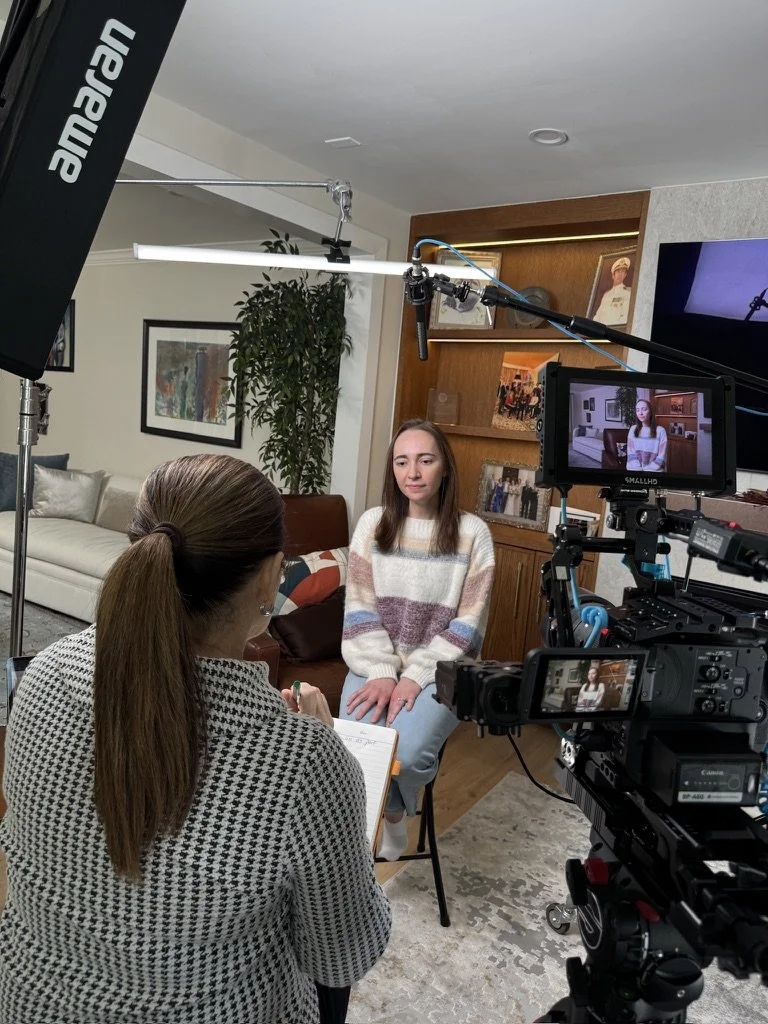
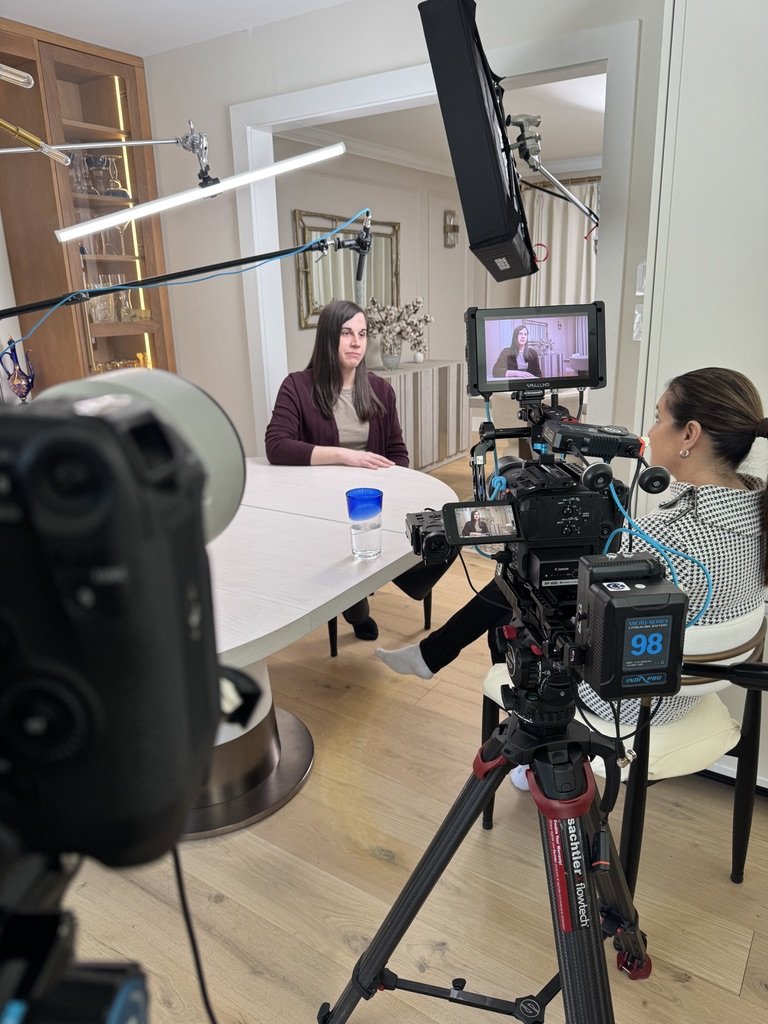
We also filmed at Birdie's home, which is a completely different challenge. Home shoots demand a small footprint, fast lighting setups, and the ability to make a family feel comfortable instead of invaded. We brought in soft, natural-looking lighting that could be moved room to room in minutes, and we kept the crew lean so Birdie could just be Birdie.
And we captured Birdie out in the world doing what she loves, the kind of B-roll that turns a medical story into a life story.
Lighting That Moves at the Speed of Real Life
One of the technical realities of this kind of production is that you don't get to control your environment the way you would in a studio. Window light changes. Hospital fluorescents fight your key. A toddler doesn't hit marks.
We ran multiple lighting setups across the shoot. Soft key and negative fill for the family interviews to give them a cinematic, intimate look. Practical-driven lighting in the home to keep it feeling real. Faster, more flexible setups in the hospital to stay out of the way of staff while still getting a clean, controlled image.
Working quickly without sacrificing quality is the whole game on a shoot like this. That's where 14+ years of corporate and healthcare production pays off. You stop thinking about gear and start thinking about people.
Why This Kind of Production Matters
Patient stories aren't just marketing. They're how hospitals build trust with the families who will sit in that same waiting room next year. They're how donors understand impact. They're how staff remember why they show up every day.
That means the production has to match the weight of the story. A rushed, under-resourced video does a disservice to the patient and to the institution. A thoughtful production gives a family like Birdie's a piece of their own history they'll keep forever, and gives MedStar Georgetown a story that genuinely moves people.
Grateful for the Team
Big thanks to Lisa Errington and Karen Johnson Alcorn at MedStar Georgetown for trusting C King Media with this story. To Lynn Cantwell for producing with so much heart. To Rob Belfi for the edit. And to Birdie and her family for letting us into their world.
If your healthcare system, hospital, or medical practice has a patient story worth telling, we'd love to talk. This is the kind of work C King Media is built for.